Institutional Profile & Governance
Hamdard Institute of Medical Sciences & Research (HIMSR), established in 2012, operates under the umbrella of Jamia Hamdard, an institution with roots tracing back to a Unani medicine clinic founded in 1906 by Hakeem Hafiz Abdul Majeed, later formalized as Hamdard Tibbi College in 1963 and granted deemed university status in 1989. As a deemed university institution, HIMSR aims to advance life sciences and health domains, providing quality, affordable healthcare. The institute is dedicated to setting high standards in undergraduate and postgraduate medical education in India, embodying the Hamdard philosophy of "Compassion, concern, care and sharing in pain."
Academics & Training Framework
HIMSR is committed to developing comprehensive patterns of teaching in medical education, integrating modern medical practices with a compassionate approach to patient care.
- MBBS Program: The institute offers a 5.5-year NMC-compliant Bachelor of Medicine, Bachelor of Surgery (MBBS) program, comprising 4.5 years of academic study and a mandatory 1-year rotating internship.
- Annual Intake: HIMSR has an annual intake of 150 MBBS seats.
- Admission: All MBBS seats, including the NRI Quota, are filled through the Medical Counselling Committee (MCC) Counselling process.
- Postgraduate Programs: HIMSR offers a range of MD and MS postgraduate programs, including MD in Anaesthesiology, Biochemistry, General Medicine, Microbiology, Paediatrics, Pathology, Pharmacology, Radio Diagnosis/Radiology, and Social & Preventive Medicine/Community Medicine. MS programs are available in ENT, General Surgery, and Orthopaedics, alongside MD/MS options in Anatomy, Obstetrics & Gynaecology, and Ophthalmology.
- Affiliation: The institute is affiliated with Jamia Hamdard (Hamdard University), a deemed university.
Academic Fees & Structure
As a deemed university institution, HIMSR's fee structure is determined by its management, aiming to balance quality education with accessibility.
- MBBS Fee: The MBBS fee structure is generally considered moderate, reflecting its status as a deemed university and its mission to provide affordable healthcare and education.
- Hostel & Living: Information regarding hostel and living costs is not explicitly detailed but is typically managed to support student accommodation within the university campus.
Clinical & Hospital Infrastructure
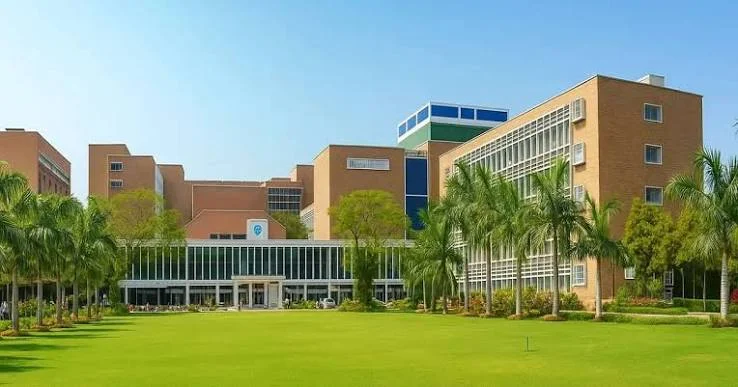
HIMSR is supported by a robust clinical infrastructure, centered around its teaching hospital, which provides comprehensive medical services and practical training opportunities.
- Teaching Hospital: The Hakeem Abdul Hameed Centenary Hospital (HAHCH) serves as the teaching hospital for HIMSR, offering over 710 beds. It comprises two blocks, Block A and Block B, providing tertiary-level medical care.
- Departments & Specialties: The hospital features numerous clinical departments, including Medicine, Surgery, Anesthesia, Radio-Diagnosis, Orthopaedics, Obstetrics & Gynaecology, Paediatrics, Respiratory Medicine, Dermatology, Psychiatry, Community Medicine, and Ophthalmology, among others. The Department of Ophthalmology has successfully performed Therapeutic Penetrating Keratoplasty (TPK).
- Research & Centres of Excellence: HIMSR actively engages in research, with its CEO, Dr. G. N. Qazi, being a renowned biomedical scientist with extensive research and academic leadership experience, including over 250 research papers and 60 patents. The institute also houses various committees such as the ART (Anti-retroviral Therapy) Committee, Infection Control Committee, and Patient Safety Committee, indicating a focus on specialized care and quality assurance.
Campus Amenities & Student Ecosystem
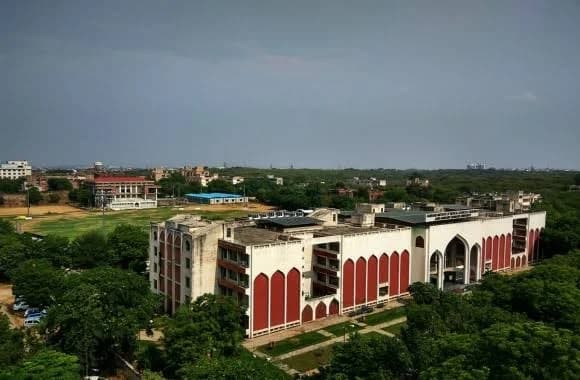
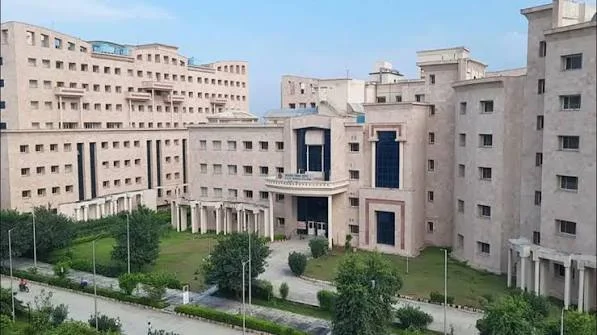
The HIMSR campus, located in Hamdard Nagar, New Delhi, provides a conducive environment for learning and student well-being.
- Accommodations: While specific details on student accommodations are not provided, the campus environment typically includes facilities for student housing.
- Learning Resources: The institute offers resources for undergraduate, postgraduate, and Ph.D. level medical education. These include departmental links, faculty resources, and access to various academic materials.
- Recreation & Wellness: The campus fosters a vibrant student ecosystem with events such as Independence Day celebrations and guest lectures on topics like financial literacy. The presence of various hospital committees, including those focused on patient safety and bioethics, contributes to a holistic and responsible learning environment.
 Government
 Private
 Government
 Government