Institutional Profile & Governance
The All India Institute of Medical Sciences (AIIMS), Delhi, established in 1956 by an Act of Parliament (AIIMS Act, 1956), operates as a public medical university and hospital under the Ministry of Health and Family Welfare. This autonomous institution was founded with the core purpose of serving as a premier centre for medical education, research, and patient care in India. While not listed in the NIRF 2025 top 100, AIIMS Delhi is widely recognised for its significant contributions to public health and medical advancements.
Academics & Training Framework
AIIMS Delhi is dedicated to fostering comprehensive medical professionals through a rigorous and research-oriented teaching philosophy.
- MBBS Program: The institute offers a 5.5-year NMC-compliant Bachelor of Medicine, Bachelor of Surgery (MBBS) curriculum, comprising 4.5 years of academic study and a mandatory 1-year rotating internship.
- Annual Intake: AIIMS Delhi has an annual intake of 132 MBBS seats.
- Admission: Admission to all MBBS seats is conducted through the Medical Counselling Committee (MCC) Counselling, based on the NEET-UG examination.
- Postgraduate Programs: The institute offers a wide array of postgraduate and super-specialty programs, including DM in Cardiac-Anaesthesia, Cardiac Radiology, Cardiac Surgical Intensive Care, Cardiology, Cardiovascular Radiology and Endovascular Intervention, Child & Adolescent Psychiatry, Clinical Haematology, Clinical Pharmacology, Endocrinology, Gastroenterology, Haematology Pathology/Hematopathology, Infectious Disease (including a direct 6-year program), Neonatology, Nephrology, Neuro-Anesthesiology & Critical Care, Neuroimaging & Interventional Radiology, Neurology, Onco-Anesthesia, Oncology, Paediatric Nephrology, Paediatric Neurology, Paediatric Pulmo-oncology & Intensive Care, Pulmonary, Critical Care & Sleep Medicine, and Therapeutic Medicine. M.Ch programs are available in Neuro Surgery (including a direct 6-year program), Paediatric Surgery, Plastic Surgery/Plastic & Reconstructive Surgery, Surgical Gastroenterology/G.I. Surgery, Surgical Oncology, Thoracic Surgery/Cardio Thoracic Surgery/Cardio Vascular and Thoracic Surgery, Trauma Surgery and Critical Care, and Urology/Genito-Urinary Surgery. Additionally, MD programs are offered in Anaesthesiology, Bio-Chemistry, and Bio-Physics, alongside a Master of Hospital Administration.
- Affiliation: AIIMS Delhi is a Statutory Autonomous institution, with AIIMS (New Delhi) serving as its affiliating body.
Academic Fees & Structure
As a government institution, AIIMS Delhi offers highly subsidised academic fees, making quality medical education accessible.
- MBBS Fee: The MBBS fee structure is heavily subsidized, reflecting its status as a public institution.
- Hostel & Living: Hostel and living expenses are also maintained at a qualitative, affordable level for students.
Clinical & Hospital Infrastructure
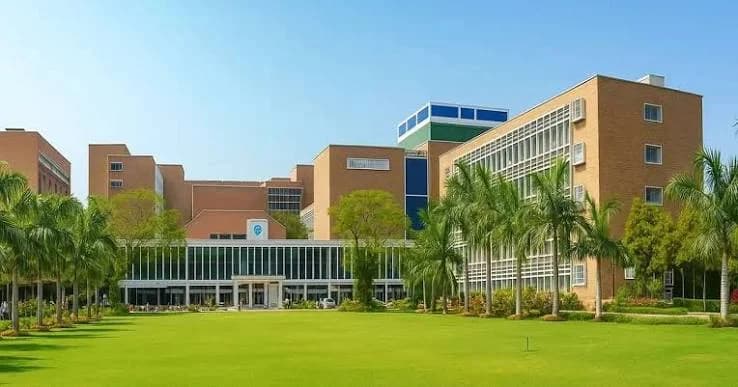
AIIMS Delhi is renowned for its extensive clinical facilities and advanced hospital infrastructure, supporting both patient care and medical training.
- Teaching Hospital: The institute operates a large teaching hospital, which serves as a primary healthcare provider and a crucial training ground for medical students and residents.
- Departments & Specialties: The hospital encompasses numerous departments and specialties, reflecting the comprehensive range of postgraduate programs offered. These include, but are not limited to, cardiology, neurology, oncology, anaesthesiology, paediatrics, nephrology, and various surgical disciplines.
- Research & Centres of Excellence: While specific centres were not detailed in the provided content, AIIMS Delhi is widely recognised for its significant contributions to medical research and is home to various specialised units that drive innovation in healthcare. The Standing Hospital Affairs Committee, comprising distinguished members such as MPs and scientific advisors, oversees the operational and strategic aspects of the hospital.
Campus Amenities & Student Ecosystem
The AIIMS Delhi campus provides a supportive environment for academic pursuits, personal growth, and overall well-being.
- Accommodations: The institute offers accommodation facilities for students, though specific details regarding types and capacity were not provided.
- Learning Resources: Students have access to comprehensive learning resources, including a well-stocked library, modern laboratories, and digital resources to support their academic and research needs.
- Recreation & Wellness: The campus fosters a holistic student ecosystem, likely including provisions for sports, various student clubs and societies, and health services to ensure the overall well-being of its student community.
 Private
 Government
 Government
 Deemed