Loading...

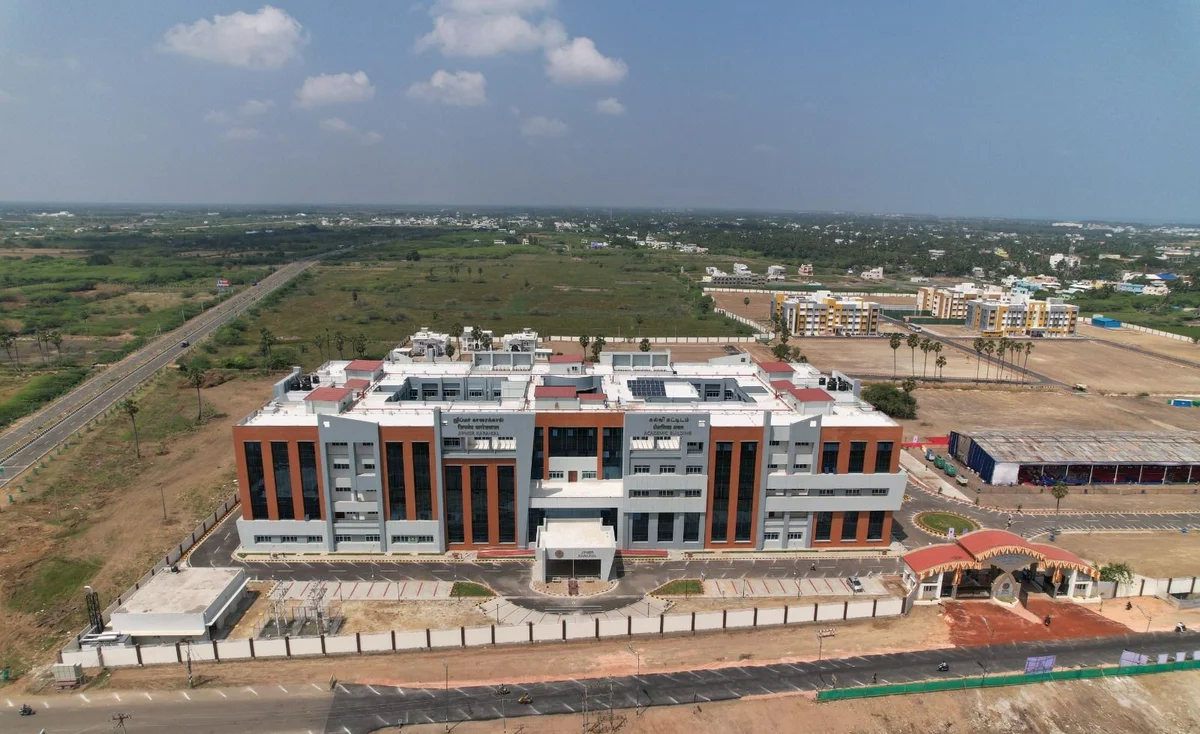
Indira Gandhi Medical College, Puducherry
Puducherry, Puducherry
GovernmentMBBSRecognized
Overview
LocationPuducherry, Puducherry
TypeGovernment
CourseMBBS
UniversityPondicherry University
MBBS Intake180 seats
Loading...
Indira Gandhi Medical College, Puducherry, operates under government management, reflecting a public-health mission to contribute to medical education and healthcare services in the region. While specific founding details are not readily available, its establishment aligns with the broader trend of government-initiated medical colleges in India. The institution is recognized by the National Medical Commission (NMC) and is affiliated with Pondicherry University. It was not ranked among the top 100 institutions in the NIRF 2025 rankings.
The college is dedicated to providing comprehensive medical education and training, adhering to national standards set by the NMC.
As a government medical college, Indira Gandhi Medical College offers a heavily subsidized fee structure, making medical education accessible to a broader section of society.
The institution is integral to the healthcare delivery system in Puducherry, providing clinical training and patient care services.
While detailed information about the campus facilities is not provided, government medical colleges generally offer essential amenities to support student life and academic pursuits.
15% seats are filled through MCC Counselling Rest All seats are filled through Puducherry State Counselling
Opening and closing ranks from previous years' counselling.
| Category | Round 1 | Round 2 | Round 3 |
|---|---|---|---|
| EWS | 14,857 | — | 24,495 |
| General Category | 8,929 | 14,702 | 16,863 |
| OBC | 12,641 | 16,461 | 19,840 |
| SC | 76,699 | 1,06,010 | 1,04,357 |
| ST | 1,00,450 | 1,04,978 | 1,06,967 |
Ranks shown are for reference. Actual cutoffs may vary each year based on seat availability, applicant pool, and counselling rules.
Indira Gandhi Medical College, Puducherry
Vazhudavur Road, Kathirkamam, Puducherry, Pin Code: 605009, State: Puducherry, Fax: 0413-2277289
Pincode: 605009
Get guidance based on your NEET profile, preferences and admission goals.
You May Also Like
Explore other colleges in the same state.
 Deemed
 Government
 Government
 Deemed