Institutional Profile & Governance
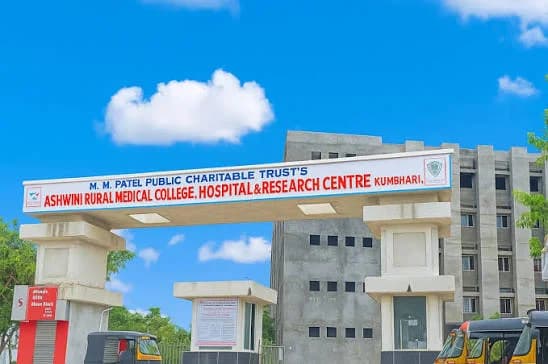
Ashwini Rural Medical College, Hospital and Research Centre, established in 2016, operates as a private medical institution in Solapur, Maharashtra. The college is recognised by the National Medical Commission (NMC) and is affiliated with the Maharashtra University of Health Sciences (MUHS), Nashik. Its mission, encapsulated by the motto 'Excellence in Education & Care with Commitment,' focuses on providing quality medical education and compassionate healthcare to the community, particularly serving the rural and urban populations of Solapur district and neighbouring regions.
Academics & Training Framework
The institution is dedicated to shaping medical professionals through a comprehensive educational framework that encourages innovation and critical thinking.
- MBBS Program: The college offers a 5.5-year NMC-compliant Bachelor of Medicine, Bachelor of Surgery (MBBS) curriculum, comprising 4.5 years of academic study and a mandatory 1-year rotating internship.
- Annual Intake: Ashwini Rural Medical College has an annual intake capacity of 150 MBBS seats.
- Admission: Admission to all MBBS seats, including NRI and other quotas, is conducted through the Maharashtra State Counselling process, based on NEET-UG scores.
- Postgraduate Programs: The college offers a range of postgraduate (MD/MS) specialisations, including MD in Anaesthesiology, Dermatology, Venereology & Leprosy, General Medicine, Paediatrics, Pathology, Radio Diagnosis/Radiology, and MS in ENT, General Surgery, Orthopaedics, and MD/MS in Obstetrics & Gynaecology, and Ophthalmology.
- Affiliation: The college is affiliated with the Maharashtra University of Health Sciences (MUHS), Nashik.
Academic Fees & Structure
As a private institution, the academic fees for Ashwini Rural Medical College are structured to support its operational and developmental needs.
- MBBS Fee: The MBBS fee structure is categorised as premium, typical for private medical colleges in India.
- Hostel & Living: Information regarding hostel and living costs is not explicitly detailed but is generally structured to cover accommodation, mess, and other essential student services.
Clinical & Hospital Infrastructure
The college is equipped with a teaching hospital that provides extensive clinical exposure and healthcare services to a diverse patient population.
- Teaching Hospital: The attached teaching hospital provides secondary and tertiary healthcare services to the rural and urban populations of Solapur district and bordering areas of Karnataka and Andhra Pradesh. It also features a well-equipped Trauma Centre, ICU, and CT and MRI scanning facilities, serving highway accident victims.
- Departments & Specialties: The hospital supports a wide array of medical and surgical departments, facilitating training across various specialties, including those offered in its postgraduate programs such as Anaesthesiology, Dermatology, General Medicine, Paediatrics, Pathology, Radio Diagnosis, ENT, General Surgery, Orthopaedics, Obstetrics & Gynaecology, and Ophthalmology.
- Research & Centres of Excellence: The institution fosters an environment that encourages innovation and critical thinking, with a focus on evidence-based practice. While specific centres of excellence are not detailed, the college promotes research and academic achievements, as evidenced by university toppers and various academic awards.
Campus Amenities & Student Ecosystem
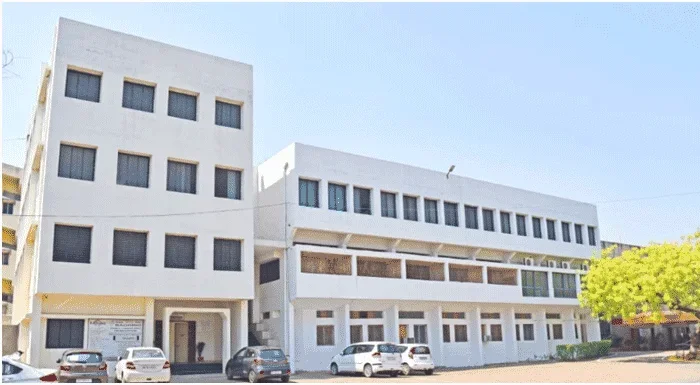
The campus of Ashwini Rural Medical College, Hospital and Research Centre is spread across approximately 32 acres, providing a conducive environment for learning and student life.
- Accommodations: The campus houses dedicated hostel facilities for students, alongside administrative and teaching/training blocks.
- Learning Resources: Students have access to various learning resources, including a library, laboratories, and digital resources, as implied by the comprehensive educational offerings and commitment to academic excellence. The college also provides information on university toppers and research publications.
- Recreation & Wellness: The institution organises and celebrates various events such as the Paediatric CNS Symposium, International Women's Day, and Nursing Day, indicating a focus on professional development, inclusivity, and appreciation within the healthcare community. The campus environment supports student well-being, though specific recreational facilities are not detailed.
 Private
 Government
 Government
 Deemed