Institutional Profile & Governance
ACS Medical College, Chennai, operates under a Deemed University management structure, affiliated with Dr. MGR Educational and Research Institute (Deemed University). While specific founding details are not publicly available, the institution contributes to the landscape of private medical colleges that emerged in India from the 1980s onwards. The college is committed to medical education and healthcare delivery, aligning with the broader public health mission of producing competent medical professionals for the nation. It was not ranked in the NIRF 2025 top 100 medical colleges.
Academics & Training Framework
The college provides a comprehensive medical education framework designed to equip students with both theoretical knowledge and practical clinical skills.
- MBBS Program: The institution offers a 5.5-year NMC-compliant Bachelor of Medicine, Bachelor of Surgery (MBBS) program, which includes 4.5 years of academic study followed by a mandatory 1-year rotating internship.
- Annual Intake: ACS Medical College has an annual intake of 250 MBBS seats.
- Admission: Admission to all MBBS seats, including the NRI Quota, is conducted through the Medical Counselling Committee (MCC) counselling process, based on the NEET-UG examination scores.
- Postgraduate Programs: The college offers a wide array of postgraduate specialisations, including MD in Anaesthesiology, Bio-Chemistry, Dermatology, Venereology & Leprosy, Emergency Medicine, Forensic Medicine/Forensic Medicine & Toxicology, General Medicine, Microbiology, Paediatrics, Pathology, Pharmacology, Physiology, Psychiatry, Radio Diagnosis, Respiratory Medicine, Social & Preventive Medicine / Community Medicine. Additionally, it offers MD/MS in Anatomy, and MS in General Surgery, Obstetrics and Gynaecology, Ophthalmology, Orthopaedics, and Otorhinolaryngology.
- Affiliation: The college is affiliated with Dr. MGR Educational and Research Institute (Deemed University), Chennai.
Academic Fees & Structure
As a deemed university, ACS Medical College's fee structure is determined by its management, typically falling into a moderate to premium category compared to government institutions.
- MBBS Fee: The MBBS fee structure is generally considered premium, reflecting its status as a private deemed university.
- Hostel & Living: Information regarding hostel and living costs is not publicly detailed, but typically, private institutions offer comprehensive residential facilities with associated charges.
Clinical & Hospital Infrastructure
The college is supported by its teaching hospital, providing essential clinical exposure and training for its medical students.
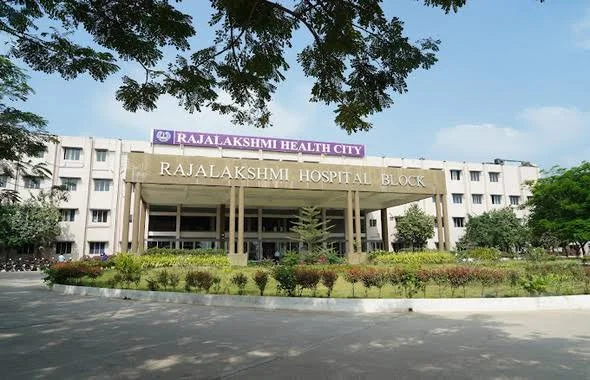
- Teaching Hospital: The institution operates a teaching hospital that serves as a primary site for clinical training and patient care.
- Departments & Specialties: The hospital supports a broad range of medical and surgical specialties, corresponding to the postgraduate courses offered. These include departments for Anaesthesiology, Biochemistry, Dermatology, Emergency Medicine, Forensic Medicine, General Medicine, Microbiology, Anatomy, Paediatrics, Pathology, Pharmacology, Physiology, Psychiatry, Radio Diagnosis, Respiratory Medicine, Community Medicine, General Surgery, Obstetrics and Gynaecology, Ophthalmology, Orthopaedics, and Otorhinolaryngology.
- Research & Centres of Excellence: Specific details regarding dedicated research centres or centres of excellence are not available in the provided information.
Campus Amenities & Student Ecosystem
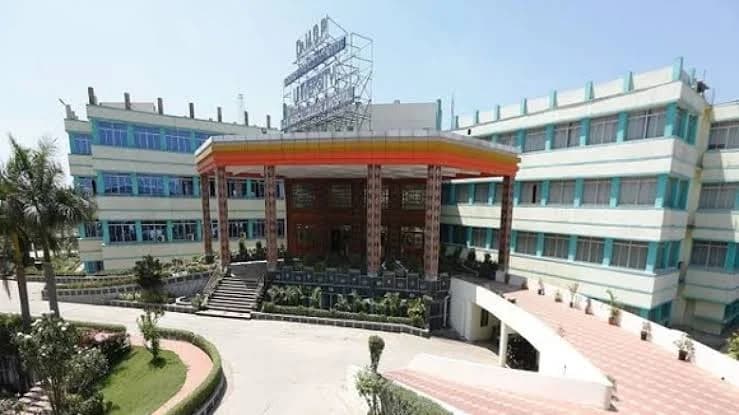
Located on Poonamalle High Road in Chennai, the campus provides an environment conducive to medical education and student life.
- Accommodations: While specific details are not provided, it is typical for deemed universities to offer on-campus or affiliated hostel accommodations for students.
- Learning Resources: Standard learning resources would include a central library with medical texts and journals, well-equipped laboratories for various disciplines (e.g., anatomy, physiology, biochemistry, pathology, microbiology, pharmacology), and potentially digital learning platforms.
- Recreation & Wellness: Details on recreational facilities, student clubs, or dedicated wellness services are not explicitly mentioned in the available data. However, most educational institutions provide opportunities for sports, cultural activities, and basic health services for students.
 Government
 Private
 Private
 Private